

Consult your community on AOD issues
Community consultation is the process of asking people in your community for their views, ideas and local knowledge before and during a project, so the work responds to what the community needs. In alcohol and other drug (AOD) prevention, it helps you focus on the right local issue, shape your activities and build community ownership, so the work is more likely to last.
Why consult your community
Activities are more likely to succeed when they have the interest and support of the local community. Consultation gives you an accurate picture of local needs, values and preferences, and helps you find partners and people who want to be involved.
Understand the local issue
As you identify your local AOD issues, ask the community:
- What does your community think the problem is?
- What has caused it?
- What ideas do they have for solutions, how an activity could run, and the key messages?
- What role can the community play in preventing alcohol and other drug harm?
Decide who to consult
Consider consulting people who:
- are your target audience
- will be affected by the activity
- will benefit from it
- can share information to help develop it
- can help deliver it
- need to know about it.
Community consultation methods
Choose a mix of methods that suits the people you want to hear from and what you can manage. These methods are a starting point.
Focus groups
A small group of 5 to 15 people discusses a set of key questions. This works well with target groups such as young people, or with community leaders. Everyone gets a chance to speak, but the discussion needs some structure to stay on topic.
Community meetings
A larger group of 20 or more people hears a short presentation, followed by facilitated questions. Community meetings reach more people but take longer to organise, need a bigger venue, and not everyone will get to speak.
Surveys
Surveys collect a large number of responses quickly. They can be on paper, online or done face to face. Keep them to 20–25 questions so more people finish them, and aim for at least 20–30 responses. See collect your data for more on running surveys.
Workshops
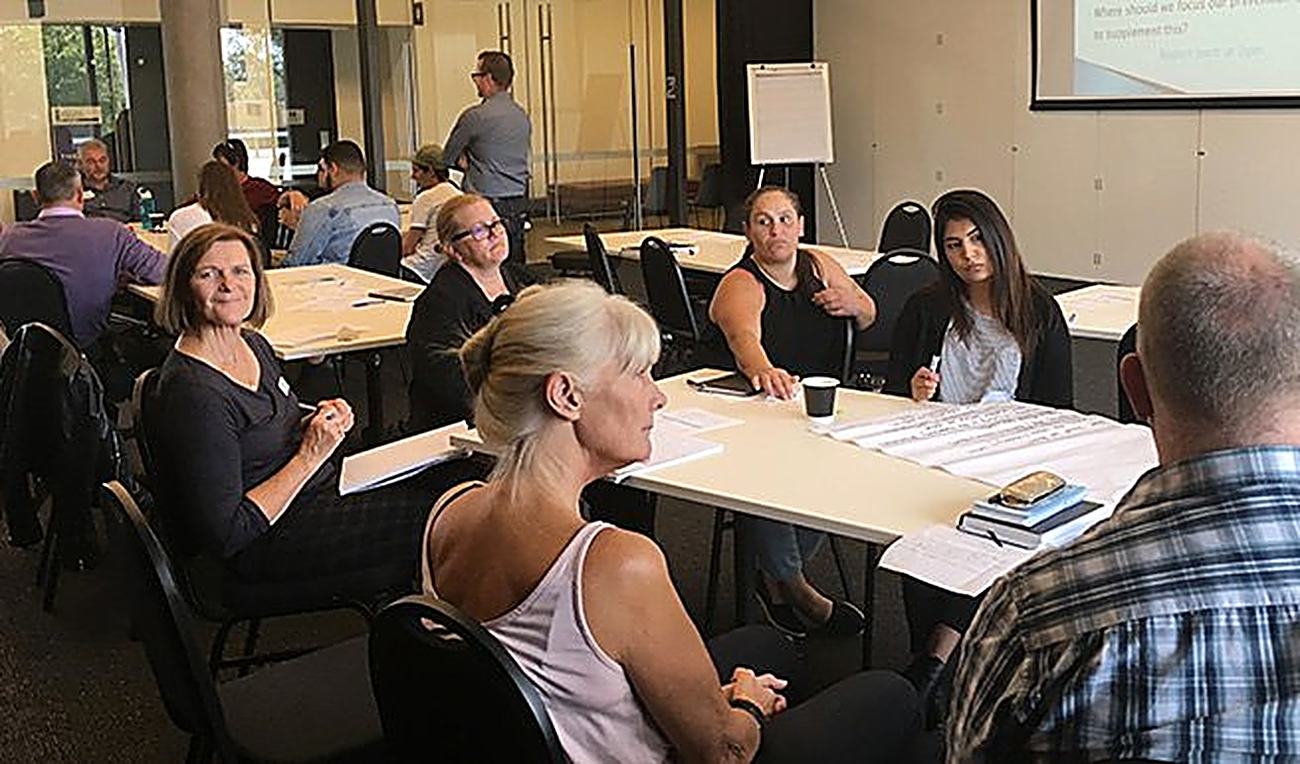
Workshops allow more two-way discussion and work well with groups you don’t yet know well. They take time to prepare, and participants need to commit at least an hour, but they’re good for brainstorming ideas.
Committees
A committee of up to 10 people meets regularly to give ongoing input, and can help govern your activity or bring in skills you don’t have. Committees take ongoing administration to set up and run.
Choose the right method
Pick methods that are practical for you and work for the people you’re consulting.
- Keep responses confidential by leaving out names (see ethical and legal considerations).
- Be clear about how people’s input will shape the activity.
- Keep talking with your community throughout, and be ready to make changes.
How to encourage people to take part
Consultation works best as an ongoing process that builds relationships and trust over time, and hears a wide range of people from across your community.
Build trust
- Invest time in building relationships.
- Be honest and clear about your ideas.
- Find out the community’s own issues and work with them to find common ground.
- Value any level of participation, as it may grow over time.
- Acknowledge people’s input and follow through on commitments.
Make it easy to take part
- Tell people how much of their time you’ll need.
- Explain the issue in plain language they understand, without jargon.
- Keep meetings short, informal and focused, with clear outcomes.
- Don’t overburden people, who have school, home and work commitments and may rely on public transport.
- Set aside resources to support participation, such as morning tea or a community bus.
Spread the word
Promote your consultation through other organisations’ newsletters, the local paper and radio, noticeboards, posters, flyers and word of mouth. Working with local partners can help you reach more people.
Respect different views on alcohol and other drugs
Every community has a wide range of views on alcohol and other drugs. To include them:
- recognise that everyone has a role and there’s room for a range of approaches
- listen to understand other people’s points of view
- ask questions rather than assume what people believe
- look past the emotion of an issue to find common ground
- keep communication open and be patient, as understanding takes time.
Next step: use what you learn to develop a Community Action Plan.
Last reviewed: 19 October 2026