

How school-based programs help prevent alcohol and other drug harm
School-based programs help prevent alcohol and other drug (AOD) harm by building young people’s knowledge, confidence and connection to school, through lessons, peer leadership and hands-on projects that involve families and the wider community.
Why school-based programs help prevent alcohol and other drug harm
Schools reach almost every young person in a community, at the age when attitudes to alcohol and other drugs are forming. Programs that build skills, confidence and a sense of belonging at school strengthen the protective factors that help prevent AOD harm. You can read more in prevention strategies and AOD education in schools: what works.
Many Local Drug Action Teams (LDATs) work with local schools as part of their Community Action Plan (CAP), often using the Education in schools toolkit.
School-based programs run by Local Drug Action Teams
These four programs show the range of ways LDATs have worked with schools.
Student leadership at Gloucester High School
In Gloucester, NSW, the Gloucester LDAT, led by CatholicCare Social Services Hunter–Manning, worked with Gloucester High School to give students more chances to build skills and leadership. Many services travel in from Taree and Newcastle, so the LDAT brought in Mission Australia and youth mentoring organisation Inner Directions to run workshops at the school.
Four workshops, averaging 16 students each, built students’ confidence and their understanding of peer support and peer leadership. All participants said they knew more about peer support and where to find help, and many said they’d now consider nominating for a leadership position. The LDAT used the Education in schools toolkit to plan this work.
Smart Generation in Knox
In Melbourne’s east, Knox City Council and EACH partnered with more than 20 organisations to form the Knox LDAT, building on the Communities That Care approach. Its Smart Generation strategy works in schools and the wider community.
Schools deliver lessons on the national alcohol guidelines to students in Years 6, 8, 9 and 10. At St Joseph’s College, teachers nominate Year 9 student leaders, who attend an information session run by Deakin University and then run workshops and activities for their peers. The program ends with an event where students share what they’ve learned with parents, helping families set rules about alcohol. The LDAT also monitors alcohol sales to people under 18. Smart Generation draws on a range of LDAT prevention toolkits.
SHAW UP student ambassadors on Norfolk Island
The Norfolk Island Community Action Group LDAT set up SHAW UP, a Student Health and Wellbeing Ambassador Program for students in Years 7 to 11. With visiting facilitator Pete Slattery, ambassadors used humour, storytelling and role plays to explore what matters to them, build confidence, and learn about health, including alcohol and other drugs.
Rather than focusing only on information, the program built young people’s resilience and sense of self, so they could support their peers and manage risky situations. In 2022, the ambassadors worked on health and wellbeing projects, including on vaping, for their graduation, and the program was promoted through local radio, the local newspaper and the school newsletter. The LDAT drew on a range of LDAT prevention toolkits to plan the program.
Coffee Cups 2 Go in Cunnamulla
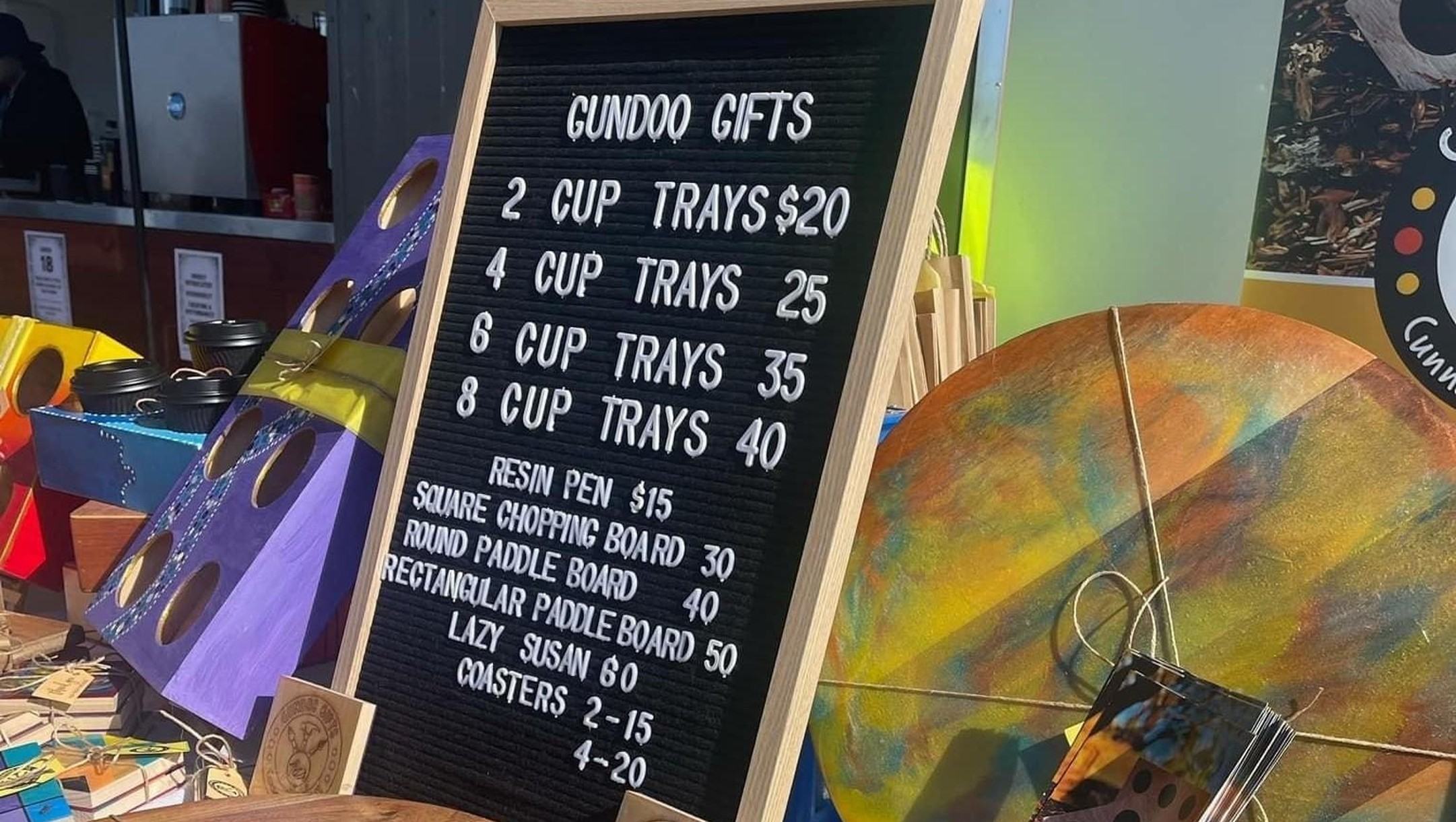
In Cunnamulla, in south-west Queensland, high school students at Cunnamulla P-12 State School designed and made wooden coffee cup carriers as part of a social enterprise funded by the Mentoring Matters / Cunnamulla LDAT. Working with the South West Hospital and Health Service’s HOPE program, students also learned graphic design and marketing to promote their products.
In 2022, students ran stalls at a gala launch, and the range grew to include resin pens, coasters, bread boards and picnic tables, now sold under the Gundoo Gifts brand. Surveys showed every student involved grew in knowledge, confidence, cultural knowledge and connection to community, and the school now runs the program itself. The LDAT used the Creating social connection, belonging and purpose toolkit to plan this work.
More LDAT stories about schools
- Hepburn students cook up skills and confidence
- Safe Schoolies in SA: AOD seminars for students, teachers and parents through Encounter Youth.

What makes a school-based program work
Across these programs, a few things stand out:
- Students lead: young people respond to their peers, so programs that train student leaders reach further.
- Families are involved: events where students share what they’ve learned with parents help families talk about alcohol and other drugs.
- Skills, not just information: confidence, resilience and practical skills protect young people more than facts alone.
- The school is a partner: programs last when the school takes ownership, as Cunnamulla P-12 State School did.
- The community backs it: local services, clubs and media help programs reach beyond the classroom.
Last reviewed: 6 November 2026