Wiluna’s Youth Program in WA
Wiluna is a remote rural town in central WA, where a large percentage of the population are First Nations people.
The Wiluna Local Drug Action Team (LDAT) started in 2021 and has now finished its fourth Community Action Plan (CAP) through the Wiluna Youth Program.
The challenge
There are alcohol and other drug (AOD) issues in the community, with many young people disengaged from school plus high unemployment rates – both risk factors for AOD harms.
Coalitions, or community partnerships, are an essential part of good prevention work and Wiluna’s evidence-based approach includes partnering with health services, the police and other community groups.
“Two years ago, when I started at the Shire, we were creating a program for young people. We formed a committee to begin with - nurses from the medical centre, the local sergeant, the school deputy principal, Shire staff and the person who runs the pool during summer,” explained Hera Napijalo, Youth and Recreation Officer at Shire of Wiluna.
“We asked them what they thought the issues were in the community and everyone highlighted cannabis use among the young people.
“The school noted that a lot of students, once they hit their teens, stopped going to school and would be at home using cannabis. They disconnect from community quite a bit. We would hold events at the youth centre, but we couldn’t reach these young people to get them involved.”
Next, the LDAT went to the wider community and spoke to Elders who had the same concerns. The Elders described how they were trying to get kids to school but they wanted to stay home and smoke.
As a result of the community consultation, the LDAT decided to target young people for its CAP – aiming to use preventative measures to change young people’s views and opinions towards AOD while they are still developing.
The LDAT also spoke with the young people. The original plan was to collect data via questionnaire, but because of low literacy levels the LDAT held a casual conversation instead.
“This enabled us to get so many quality answers and broader perspectives,” said Hera.
The LDAT asked young people why they think people use cannabis. The most common answer was emotional regulation, with some explaining that it “calms you down and chills you out; it relaxes you if you’re stressing”. They also reported smoking when they’re bored and there’s nothing to do.
It was clear to Wiluna LDAT that it needed to build lots of diversionary tactics into the CAP to keep the young locals engaged and connected, while providing an opportunity for education.
The response
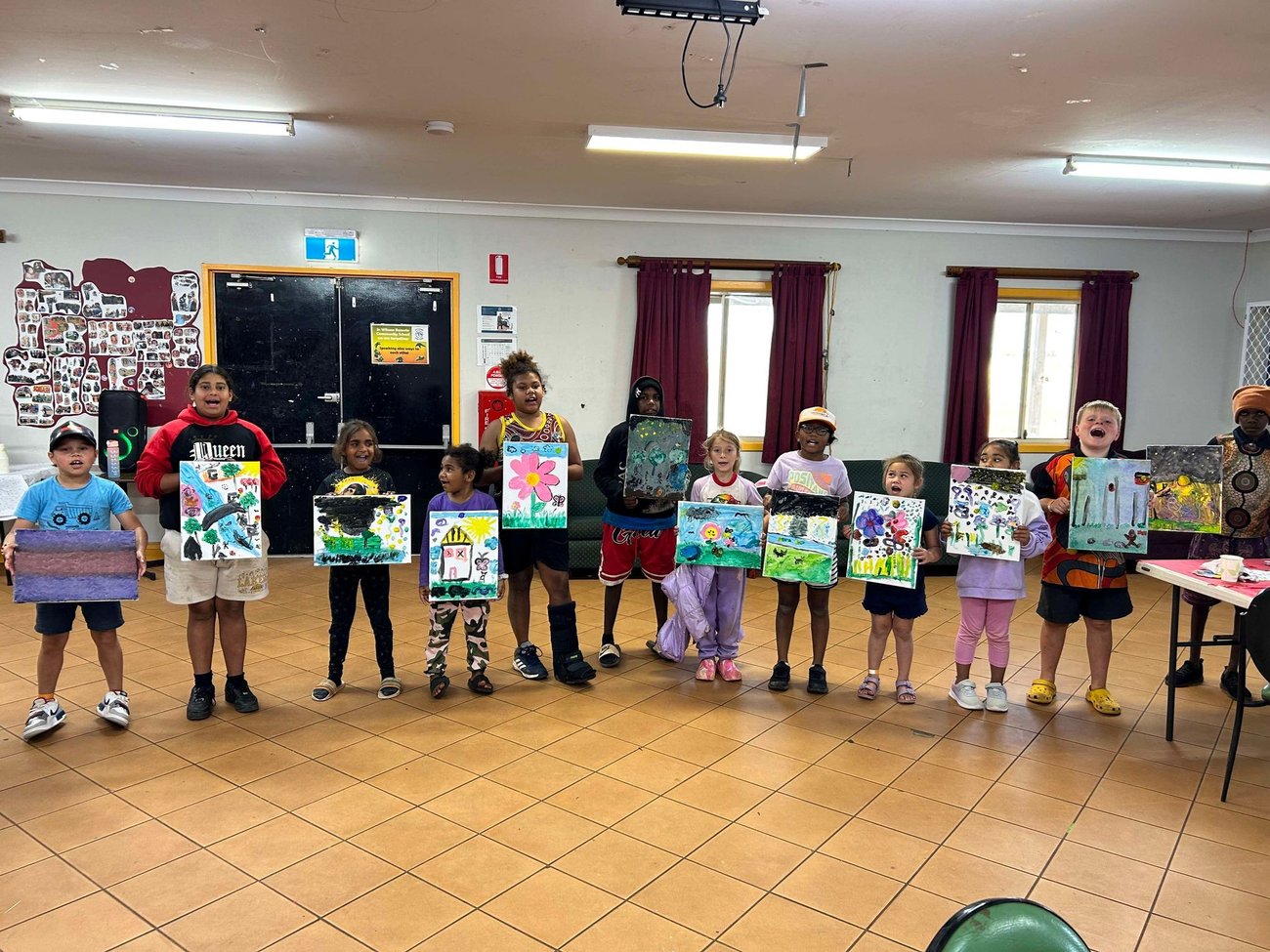
Wiluna LDAT delivered 12 evening sessions in 2024 and 2025 at the local Youth and Recreation Centre. Each session had different activities and focused on issues relating to AOD. They provided an opportunity to teach young people about AOD, foster cultural connection and strengthen a sense of belonging – all proven protective factors against AOD harms.
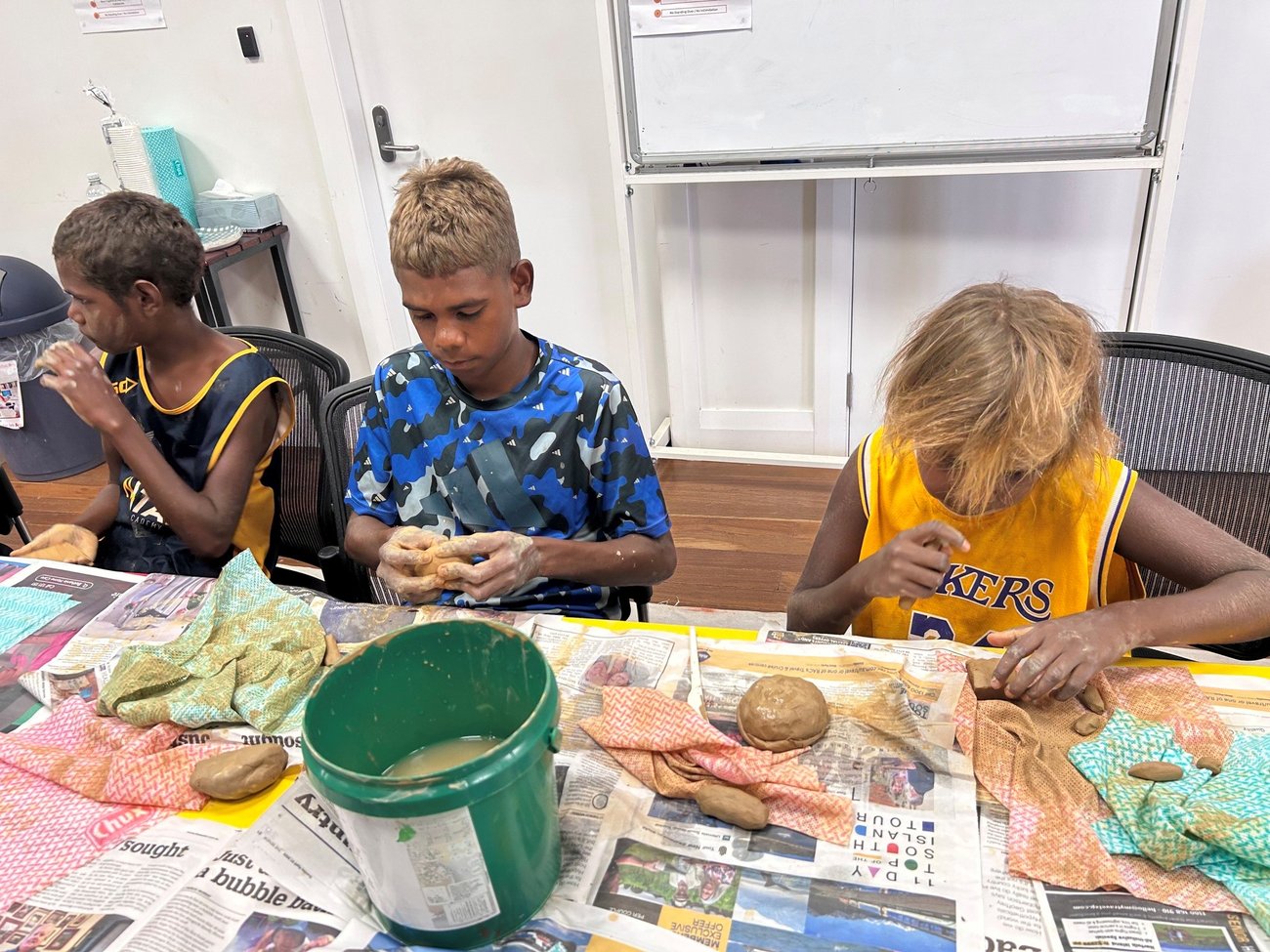
“We tried to make the classes accessible for all kids in town. They’re surrounded by drug use from such a young age, but we can reach them in a fun, non-confrontational way,” said Hera.
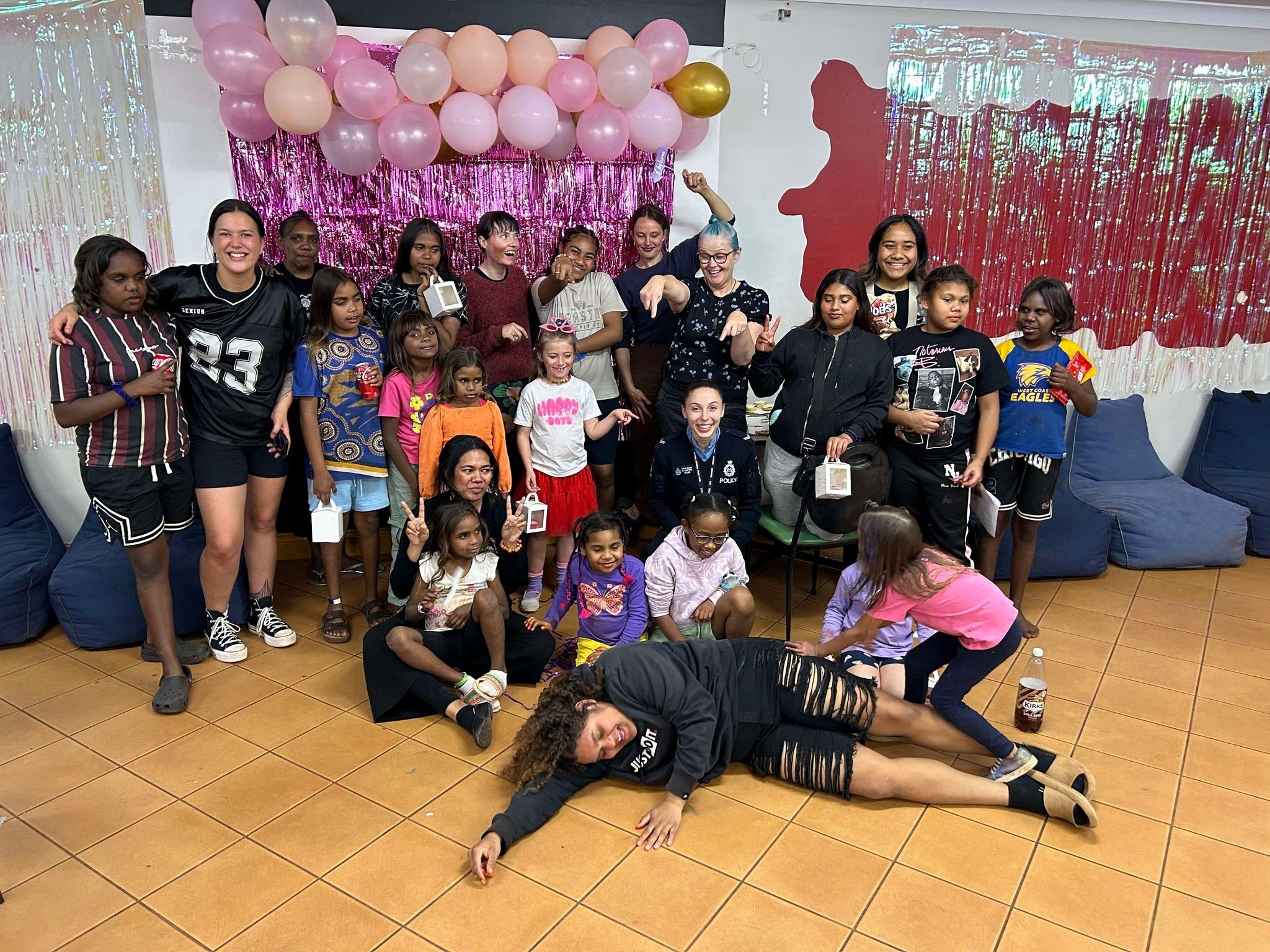
Sessions included a presentation from hospital staff on the effects of cannabis on the brain and coping skills for stress. The AOD sessions were supplemented with targeted activities to involve and engage young locals, including a games night where young people had the chance to connect with police, pottery, yoga, sport, cooking and movies – boosting connection and belonging.
One of the aims of the CAP was teaching positive coping mechanisms, so some of the evenings included mindfulness activities.
“We also had movie night where we watched Inside Out to help them learn about their feelings, and a disco night too. For a couple of hours, they’re out of trouble, having a feed, a laugh; learning how they can have fun without drugs.”
The LDAT designed its CAP in a way that would empower the young people with life skills such as cooking. This helped them reintegrate back into community and get support; especially if they had stopped going to school and seeing family.
“Having the police and a nurse on board created good relationships, the young people know they can reach out to services later when they need it.”
The progress
The Youth Program was a success. While attendance fluctuated depending on school holidays, Lore or Sorry Business happening in the community, some sessions saw many more young people than expected.
And the program picked up momentum as the weeks went on.
“For the pool night, we thought we might have 30 kids, but it was 65. More people were excited and engaged, the more events we had,” said Hera.
By using the LDAT implementation and evaluation tools, the Wiluna LDAT has a clear picture of the change the program has made for around 60 young participants, aged 4 to 18.
Initially, many young people believed that AOD was not a big deal and ‘everyone does it’. After the program, 90% reported a change in attitude away from the idea of using AOD as a coping mechanism, in favour of healthier alternatives.
And 85% had increased their knowledge of healthier coping strategies, as well as the risks and impacts of AOD use.
“A lot of the attitudes towards cannabis have changed because of attending the events, with young people now saying: “I wouldn’t do that!””
Importantly, following the LDAT’s interventions, some teens who hadn’t been to school in two years have re-engaged.
“From having these programs and hanging out with other young people, they got out of the house and met peers. They’re now actually going to school.”
Advice to other LDATs
Hera’s advice to other LDATs planning on delivering a similar CAP is to holistically investigate what’s going on in their local area – collaborating with other services and most importantly, the community.
She advises planning for unique challenges that their community might face.
“Programs in regional or rural areas, where the nearest city is five hours away, might face the problem of cost being higher than for metro LDATs.”
Hera also recommends that if the CAP spans multiple events, keep detailed documentation for each activity to enable accurate evaluation and make sure goals are being met.
“Keep tracking to see if you’ve reached your outcomes. You can then decide on the next step or how can you tweak it to reach your intended goals.”
Leaning on the Alcohol and Drug Foundation (ADF) staff for support is another thing that Hera recommends.
“Working with the ADF has been amazing. The amount of support we received during, before and after, throughout the whole [CAP] process – we were partners the whole way. If we had any questions, anyone on the team was easy to reach and we got clearly defined answers.
“There’s a lot of passion. Everyone on the ADF WA team genuinely cares about the community and how everyone is doing,” said Hera.
Wiluna LDAT is now delivering its fifth CAP - Wiluna Youth Empowerment Program. Building on the success of the Youth Program, they’re helping young people with job readiness, another important protective factor against AOD harms.