

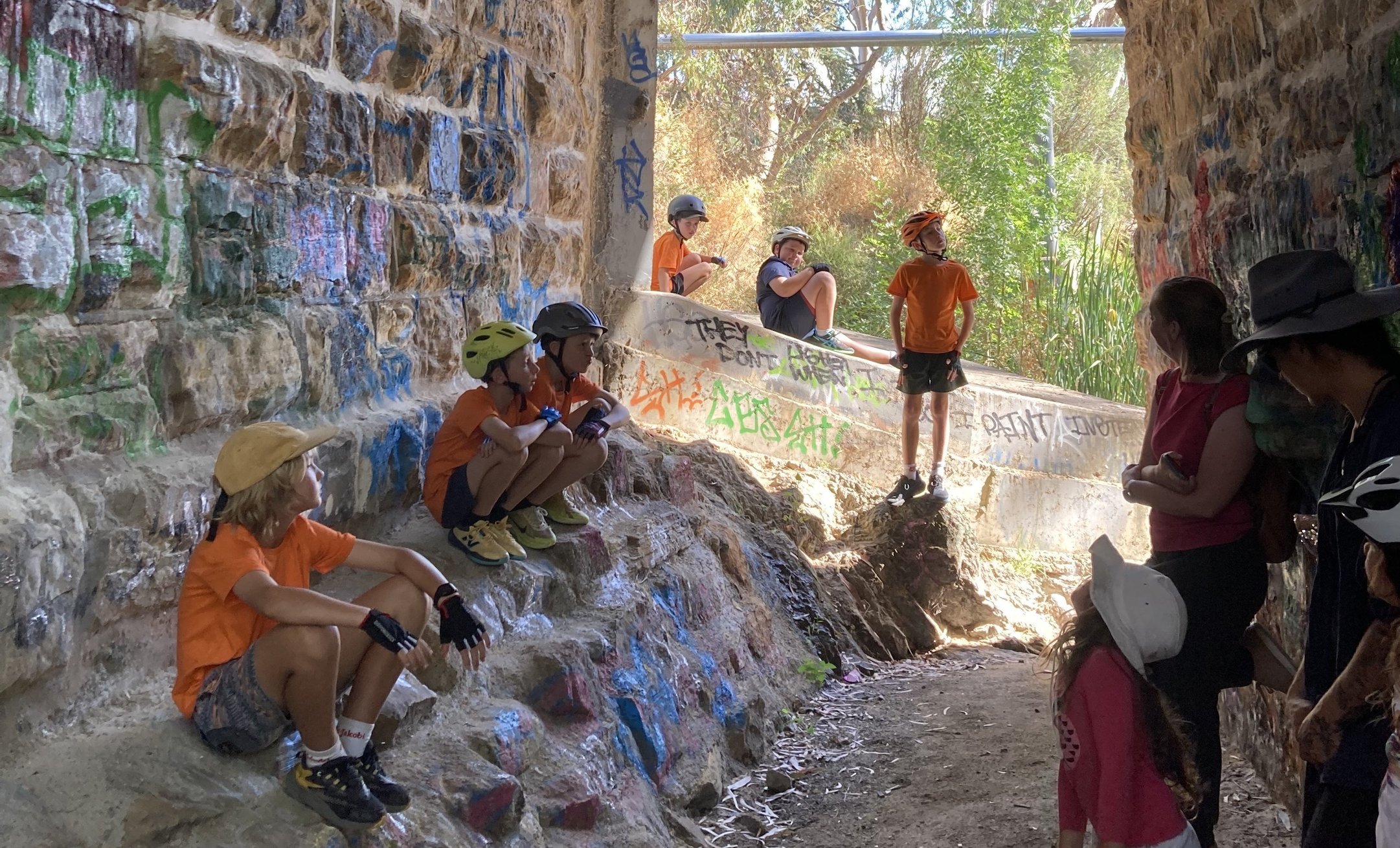
Spotlight: Children Thrive in Barossa, SA
Williamstown is a small town in South Australia’s Barossa region, an hour out of Adelaide. It’s surrounded by vineyards, farmland and conservation parks.
While it’s a close-knit community, local young people can face challenges when it comes to safe transport, social connection and access to activities that support wellbeing.
Following community consultation, the Thrive Barossa Local Drug Action Team (LDAT) created a new program to address these challenges.
The challenge
Young people and parents were involved in the Williamstown community consultation process which identified two key concerns.
Parents were worried about young people riding their bikes long distances between regional towns, sometimes at night and near heavy truck routes.
A local GP had also seen increasing mental health and alcohol and other drug (AOD) issues show up, including vaping.
Bill Gransbury, a retired Angaston GP and Chair of Thrive Barossa, said the team wanted to build on earlier LDAT work that had delivered prevention education through local sporting clubs.
Sport remains an important protective factor. But the LDAT saw a need for more practical, accessible activities for young people who may not already be connected through clubs.
The solution
The Thrive Barossa LDAT’s cycling safety and wellbeing Community Action Plan (CAP) was co-designed with local young people, parents, volunteers and community partners.
The LDAT program’s Creating Social Connection, Belonging and Purpose Toolkit helped guide the CAP development.
Bill said the LDAT’s approach was shaped by listening first, rather than deciding in advance what young people needed.
“Don’t think: ‘this is what I want to do’. Ask [the young people]... what do you want to learn?”
Off the back of their consultation, the LDAT created a series of four practical and social hands-on sessions to get young people involved and create a supportive space for conversations about mental health, healthy lifestyles, AOD awareness and social connection.
The program was split up into two groups – one for children aged 7 to 11 and one for young people aged 12 to 17.
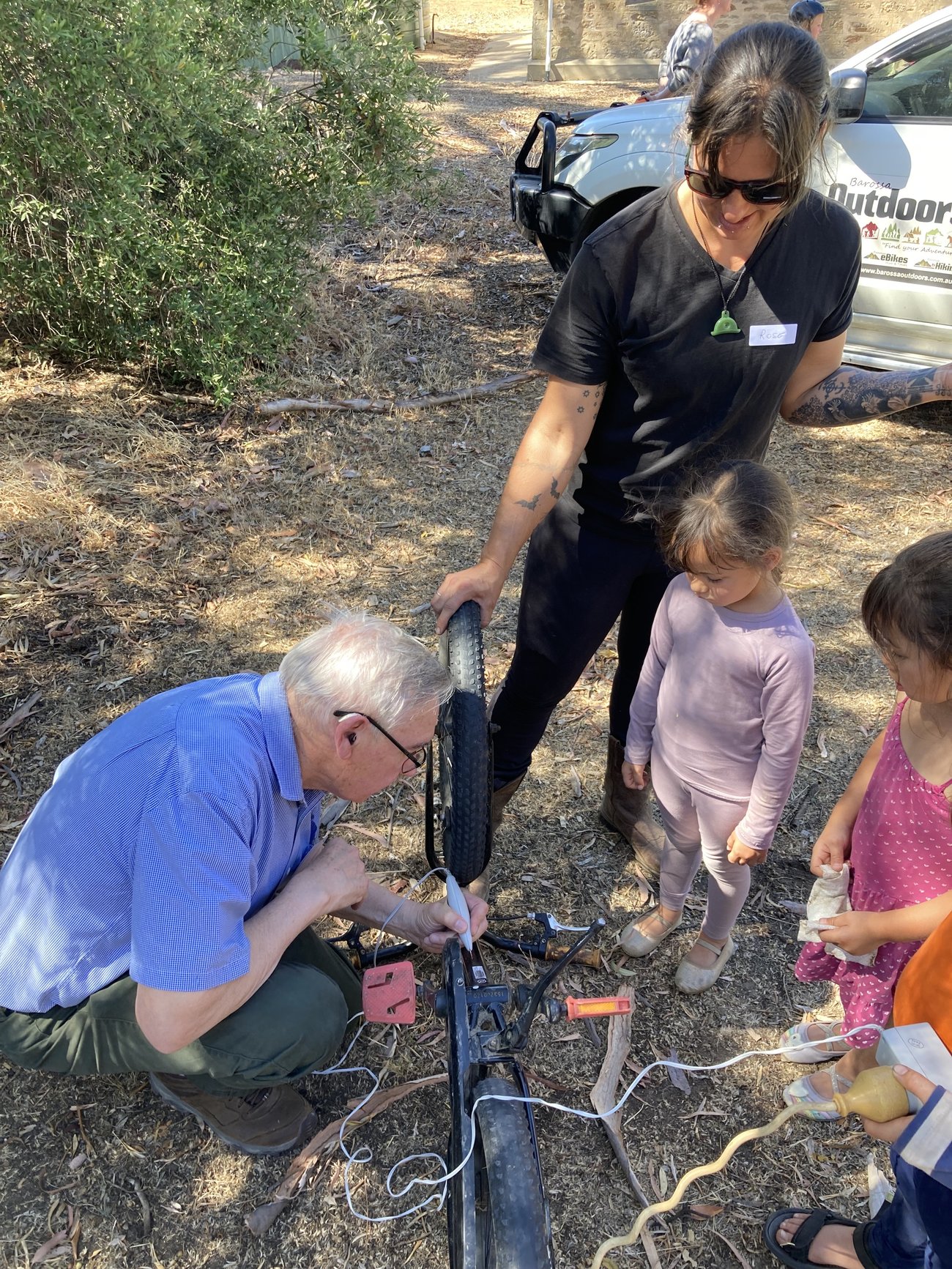
The workshops included bike cleaning and safety lights, basic bike maintenance, emergency first aid awareness, and a supervised trail ride with a shared lunch.
Participants completed a South Australia Police Bike Passport to record bike details such as photos, serial numbers and contact information. An engraver was used for added security.
This helped with bike theft identification while teaching the young people about personal safety and responsibility.
Young people also received other useful items such as T-shirts, first aid bum bags and bike gloves.
Shared meals were built into the workshop timetable to help the kids socialise between the two age groups, connect and make friends.
The progress
Barossa LDAT’s sixth CAP was a success, showing great results.
For children aged 7 to 11, all four planned workshops were delivered. The program reached its target of 10 participants, with high engagement across every session.
Evaluation showed that 93% of younger participants reported increased knowledge of bike safety and maintenance. And 86% said they felt more connected to their friends – an important prevention factor when it comes to AOD use.
Parents also noticed the difference, reflecting that the sessions helped their child meet other locals.
“He told me that he made a couple of friends and wished that the activity was longer,” shared one parent.
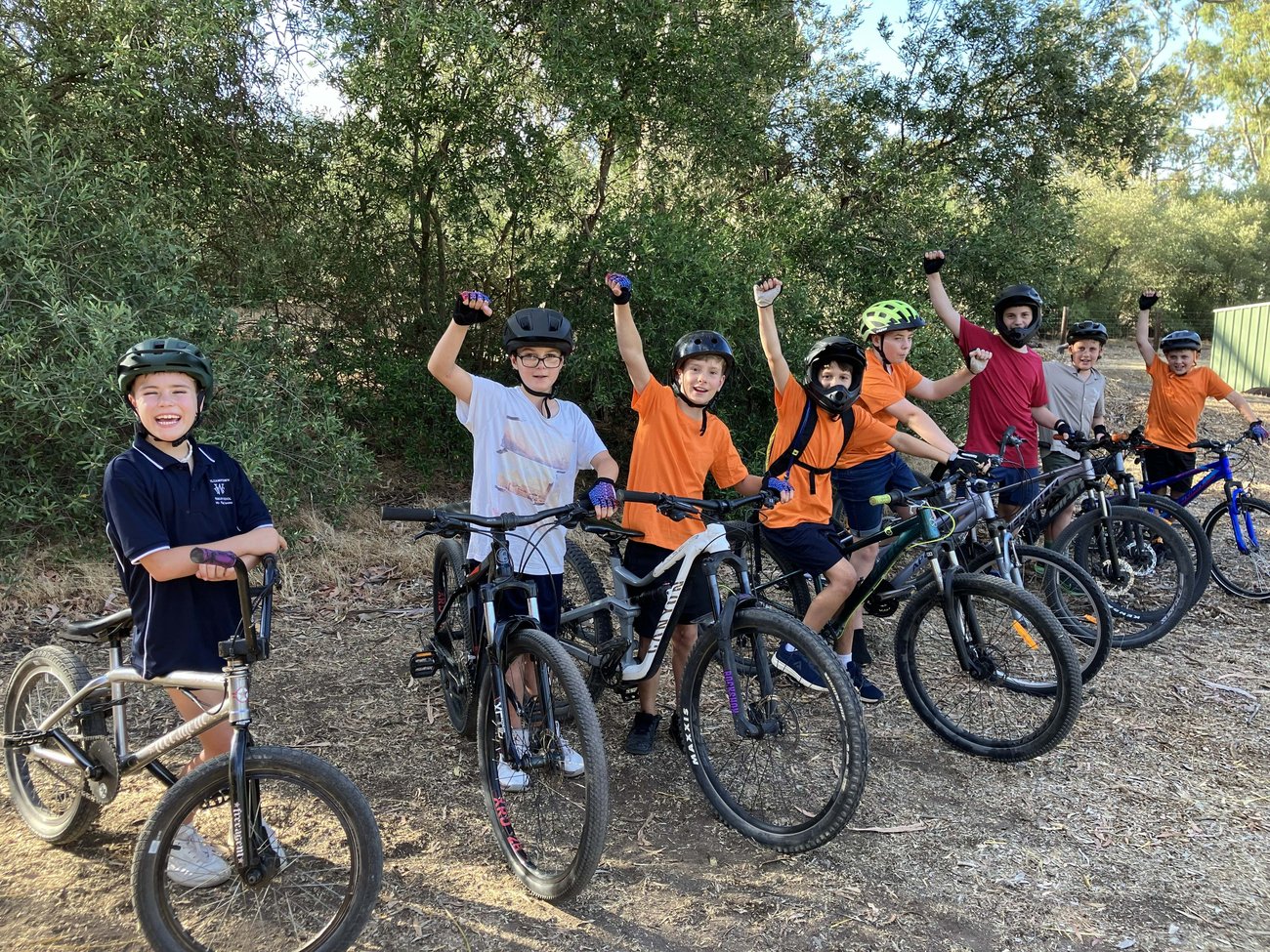
For the 12 to 17-year-old group, the LDAT delivered all four planned workshops and engaged eight young people.
Feedback was overwhelmingly positive.
Among older participants, 86% reported an increased sense of connection to friends and community, and 93% reported increased knowledge of bike maintenance and safety.
Participants particularly valued the first aid session, which covered practical responses to bike-related injuries. Many reported noticeable improvements in their riding skills over the workshop period.
Bill said one of the most rewarding parts of the program was seeing young people actively take part and build confidence through each session.
“During each session, they were interested, they wanted to be part of it. I thought this is something pretty special that these kids are getting engaged in.”
Advice to other LDATs
Bill’s advice to other LDATs is to build on what you have. Start with the strengths, facilities and trusted people that already exist in the community.
For Thrive Barossa, that meant connecting with local schools, parents, volunteers, health professionals, Barossa Anglicans, Barossa Outdoors and other community partners.
It also meant making sure the program design was flexible and responsive to what families and young people said they needed and were interested to learn.
Bill said tapping into the knowledge that GPs and other local professionals have can help LDATs understand emerging issues early.
He also recommended having someone on your team who knows how to promote LDAT events in the community through flyers and social media.
“I think if you've got a young person who knows how to use Canva and create Facebook posts, that's a real asset.”