Spotlight: Turning dumped bikes into connection for young people
A network of small towns in rural, mid-west Western Australia has turned trash into treasure, thanks to local volunteers, councils, schools and police all working together.
The Yalgoo Local Drug Action Team (LDAT) is based in Yalgoo, a small town 200km inland of Geraldton.
The LDAT took the problem of old bicycles being dumped in the area and created an innovative opportunity for school-aged First Nations children to learn new skills and connect with their community.
The challenge
Adrian Bartlett is a Yamatji man, the Executive Officer at Geraldton Sporting Aboriginal Corporation (GSAC), and lead of the Yalgoo LDAT.
Adrian has a longstanding involvement in sport, recreation and wellbeing programs in the mid-west region of WA. He knows the challenges of the area intimately, as a parent of four and through his work.
“There's not a lot out there for youth in these towns. They’re mining – lots of fly in, fly out workers.
“Young people can have a sense of being forgotten about, because they’re so far away from the cities,” Adrian explains.
“Some towns have community development officers, some haven't.”
It’s a concern for Adrian because feeling disconnection from community and a lack of recreation activities, education and employment opportunities are all risk factors for alcohol and other drug (AOD) harms.
The solution
The idea for a bike maintenance program came about in Mount Magnet, about an hour farther east of Yalgoo.
“The LDAT history goes back four or five years with GSAC and the bike program in Mount Magnet is where we originally started as a bit of experiment,” Adrian explains.
“There's one elderly local volunteer, Warren, who had contacts with resource centres that had old bikes. They were just going to be chucked at the tip. Instead, he got trailer loads of bike parts and bikes out to Mount Magnet for the kids to fix their own bikes.”
In the sessions, Warren taught the young people how to do the basics like changing tyres. The LDAT supplied him with toolkits, tubes and other supplies.
“We thought, we'll just see how we go at Mount Magnet. It has really grown and it's been a very positive community feel. We've got a site there now with a full-time worker and casuals.”
For its fifth Community Action Plan, the LDAT expanded the bike maintenance program into the town of Yalgoo.
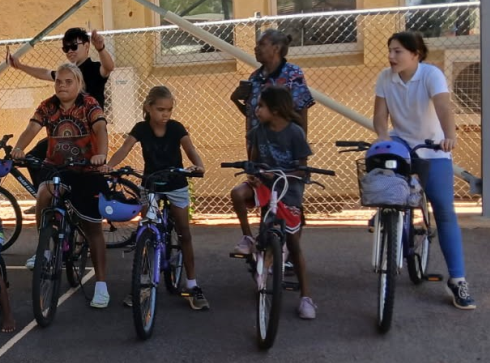
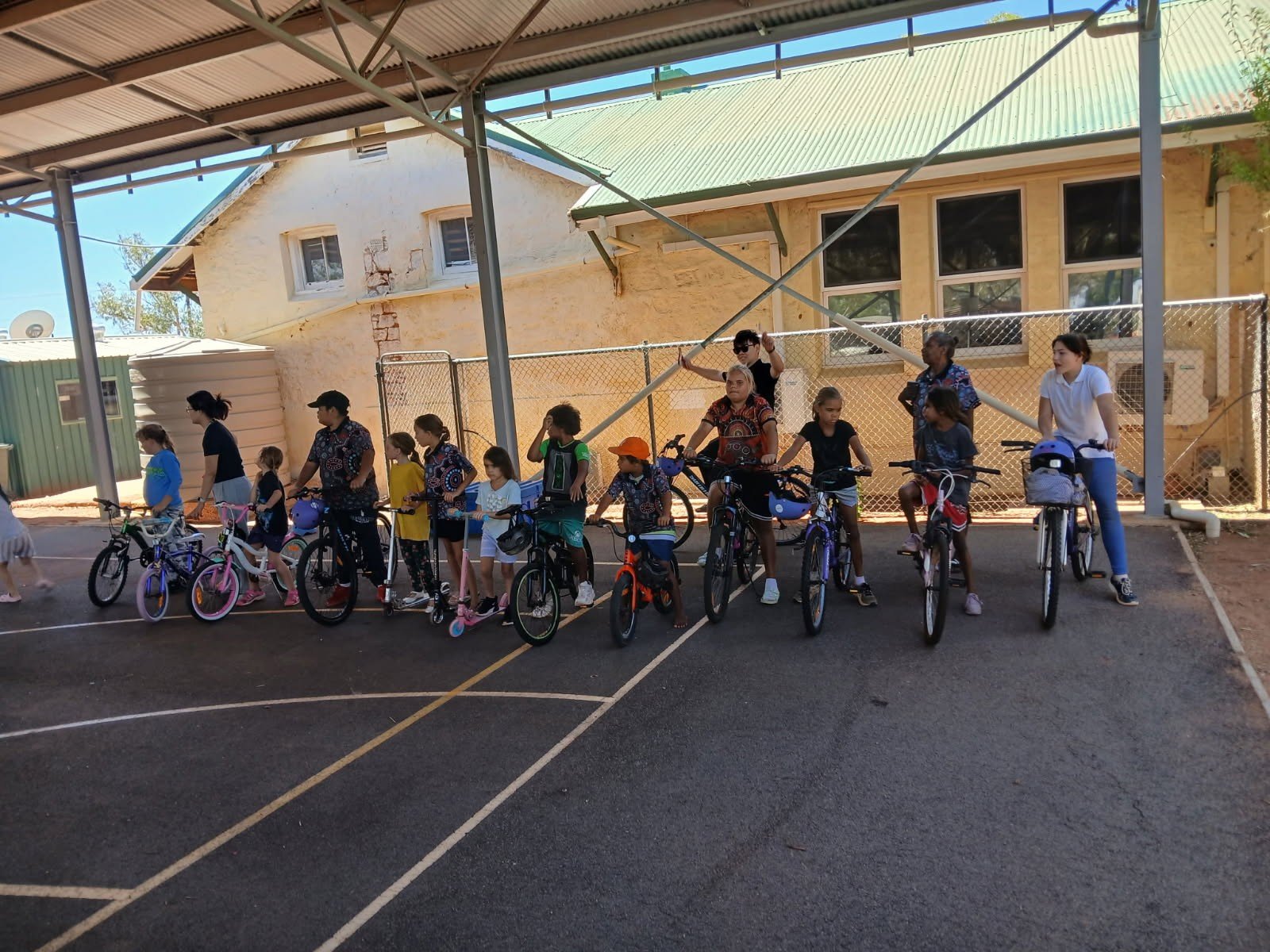
In the weekly sessions, participants were provided with their own bikes and taught the skills to repair and maintain them.
These sessions were led by trained facilitators and included a meal, so the young people could socialise and have fun in a safe environment.
They were split up by age group, with children 6 to 12-years-old on Fridays after school and 13 to 17-year-olds on Saturdays.
And, according to Adrian, it was a fantastic opportunity to include AOD education.
For the older group, staff from the Geraldton Regional Aboriginal Medical Service (GRAMS) co-facilitated two sessions. They shared information and resources about issues related to cannabis, alcohol, and other illicit substances.
Staff from Tackling Indigenous Smoking (TIS) co-facilitated another couple of sessions.
Local Indigenous cultural leaders and sporting champions attended some weeks, for both age groups.
The progress
The LDAT ran 20 bike maintenance sessions in Yalgoo from October 2024 to March 2025.
The program reached 35 local children – exceeding the target of 32.
Participants reported a 100% increase in their sense of self confidence, purpose, and connectedness to each other and community.
For organisers, it was clear that the kids felt proud of their efforts in fixing, repairing and maintaining their own bikes and assisting others.
“There was a great chance for leadership. The older kids were helping the little ones, which doesn't necessarily always happen other times,” said Adrian.
He reflects that it’s been life-changing for the young people who have a better sense of connection, freedom and self-sufficiency. They can get around town on their own and fix their bike if it breaks. “I think most kids in Yalgoo have two bikes each at least. They’re good quality bikes that'll last a while.
“They’ve all got a tool kit. They know how to change a tyre, and they know where to go for bigger repairs.
“It's good to see the smiles on the children's faces.”
And the positive impacts weren’t just for the young people.
GSAC staff aimed to run two upskilling workshops with staff from other Yalgoo orgs, to train them to deliver the program independently. All up, they ran four workshops, doubling the target.
Of Yalgoo staff who attended, 90% reported an increased self-confidence to deliver the sessions.
Adrian explains that the whole community has embraced the LDAT activities. The shopkeepers install bike racks now for the kids. Tourists use the bikes when they go out to see the wildlife. And the local Shire and police are invested.
“The Shire supplied a little works depot to store the tools and bikes and they've supplied a couple of workers. The school has jumped on board too.”
The local police also come to the sessions and engage with the kids, educating them about road rules and safety.
“For the whole community, there have been no negatives. The parents I’ve spoken to are stoked,” said Adrian.
The program has now expanded to Cue, 80km out of Mount Magnet, and other smaller towns in the region are keen to jump on board.
“From a fairly simple start, it has turned into a really good quality community program, particularly out in these remote and rural areas, which is fantastic.”
Advice to other LDATs
Adrian advises other LDATs to talk to your Alcohol and Drug Foundation (ADF) Relationship Manager to develop your Community Action Plan (CAP) and get support – if needed - filling out the program templates on the Community Hub portal.
The next thing is getting community buy-in and making sure potential participants are aware of your program.
“Having those local contacts and showing that you have a vested interest and really want it to work helps to get support around it.
“We've had barbecues that the kids enjoy, they've got something to look forward to after school. That initial contact is the important thing, without a doubt. Get them into the program and then watch it grow from there.”
The Yalgoo LDAT is currently working on its sixth CAP, which involves sports leaders visiting every second week to run two-hour sports clinics with the kids. The mentors will include ex-AFL players who have ties with the local area.